Why a Medical Alarm NZ Device Could Be the Right Choice for Your Family
Understanding the Real Need for a Personal Alarm
When my grandmother first mentioned she felt unsteady on her feet, I assumed it was a temporary thing. A few months later, she had a fall in the garden. She was lucky, a neighbour heard her call out. But that moment changed how our family thought about safety. We started looking into what a medical alarm nz could actually do, not just what the brochures said.
The truth is, falls are not rare. For anyone over 65, the risk increases every year. And it is not just the fall itself that worries people. It is the time spent lying on the floor waiting for help. A quick response can mean the difference between a few bruises and a hip fracture that changes your whole lifestyle. That is where a personal medical alarm comes in.
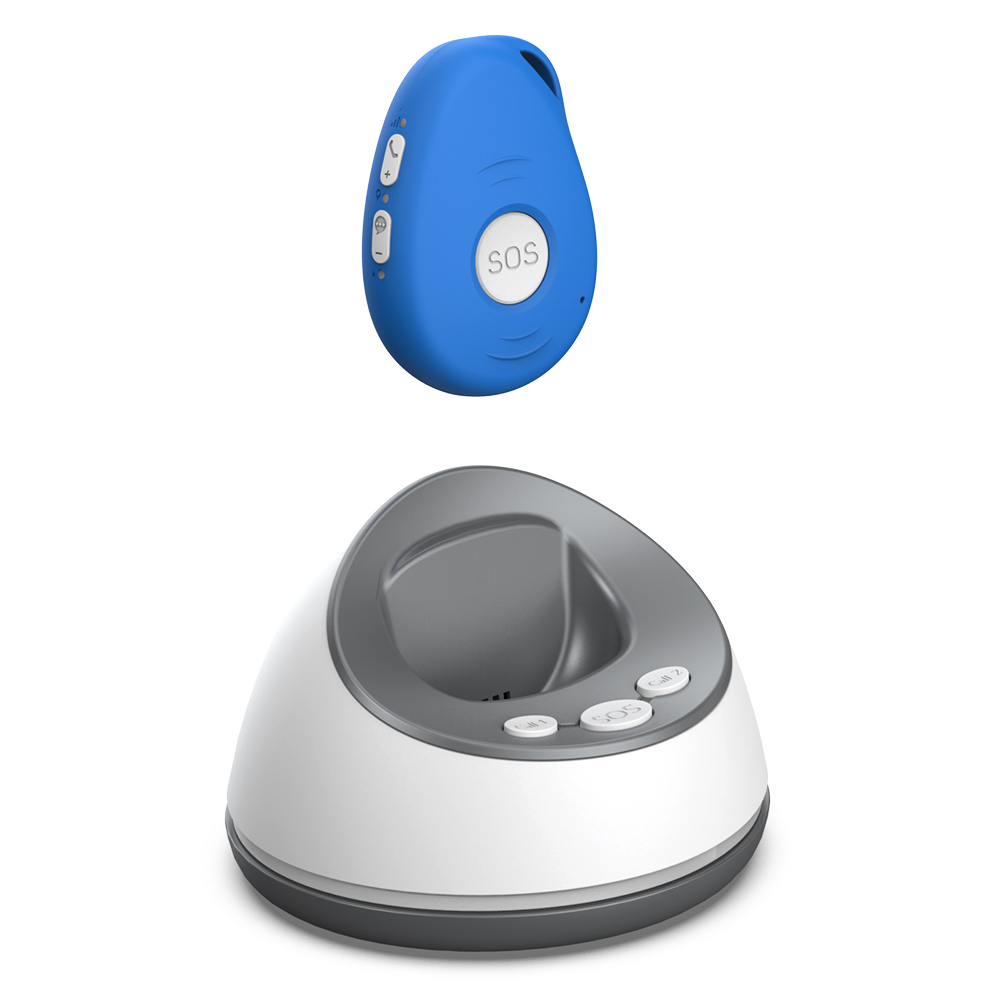
What surprised me most when I started researching was how far the technology has come. The old image of a big red button on a cord around your neck is outdated. Modern devices look like a pendant or a wristband. They are waterproof, so you can wear them in the shower. Some have built-in GPS for when you are out walking. And the best ones include fall detection that works automatically, even if you cannot press the button.
What to Look for in a Medical Alarm NZ Device
Choosing the right system takes a bit of thought. Not every device suits every person. Here are the main things to consider:
- Fall detection, Automatic sensors that detect a fall and send an alert without you needing to push a button. This is critical if the person has a condition that causes unconsciousness or confusion.
- GPS tracking, Useful for someone who still walks the dog or visits friends. The device can show their location so help finds them fast.
- Two-way calling, A speaker and microphone in the device let the monitoring team talk to the person, assess the situation, and call an ambulance or a family member.
- Battery life and charging, Most devices last several days on a charge, but some need nightly docking. Check the routine that fits the user.
- Range and connectivity, Some alarms work only at home via a base station. Others use cellular networks so they work nationwide. For an active senior, the second option gives more freedom.
Each of these features adds cost, but they also add peace of mind. The trick is matching the feature set to the person's actual daily life. A 70-year-old who still drives and golfs needs a different device from an 85-year-old who stays close to home.
Connect with us on YouTube.
How Fall Detection Changes the Picture
Fall detection is probably the single most important feature in a medical alarm nz today. Why? Because many falls happen when the person cannot call for help. They might hit their head, lose consciousness, or simply be too shocked to press a button. I once spoke to a paramedic who told me that the average person who falls and cannot get up waits about an hour before someone finds them. With automatic fall detection, that wait becomes minutes.

The sensors inside these devices use accelerometers and gyroscopes. They measure sudden movement and impact, then compare that to your normal walking pattern. If the system detects a fall, it sends an alert even if you are silent. Some devices give a short countdown so you can cancel it if it was a false alarm, like dropping the device on the floor. The cancellation window is usually 10 to 20 seconds, which is enough to avoid bothering the monitoring centre.
False alarms do happen, but modern units are getting better at distinguishing a real fall from a sharp movement. The trade-off is that no system is perfect. A very slow fall, like sliding down a wall, might not trigger the sensor. That is why a device with both automatic detection and a manual button is the safest choice.
Two-Way Calling: More Than Just a Button
Two-way voice communication is another feature that makes a real difference. If someone falls, they might be scared or confused. Being able to speak to a trained operator who can ask questions, "Are you hurt?" "Can you move?" "Should I call your daughter?", calms them down and ensures the right help is sent. It also avoids unnecessary ambulance callouts. For example, if someone has a minor fall and just needs help getting up, a family member can be contacted instead of an emergency crew.
The quality of the speaker and microphone matters, especially for older adults with hearing loss. Some devices have loud, clear speakers that work even in a noisy bathroom. Others are more basic. If possible, test the audio before committing to a long contract.
GPS and Freedom: Staying Active Safely
For many seniors, the biggest fear is losing independence. They do not want to stay home just because they might fall. A device with GPS gives them the confidence to go out. If they wander off course or do not return at the expected time, a family member can check their location. This is particularly useful for people with dementia who might become disoriented.
I know a woman in her late 70s who still walks her dog every morning along the beach. She wears a medical alarm nz device with GPS. Her son, who lives in another city, gets a notification if she leaves her usual route. He says it gives him peace of mind without taking away her freedom. That balance is hard to achieve, but the right device makes it possible.
What About Monitoring and Response Times?
Not all monitoring centres are the same. Some are run by the alarm company itself, others are outsourced. The key metric is response time. How quickly does someone answer when the alarm is triggered? A good centre answers within 30 seconds. They should also have a protocol: first they try to talk to the user, then they call a family member or a neighbour, and only if needed do they call an ambulance. This tiered approach avoids overloading emergency services.
Some families prefer a system that alerts only family members, not a monitoring centre. That can work if someone is always nearby and available. But if the primary caregiver works full time or lives far away, a professional monitoring service is more reliable. You pay a monthly fee, but you get 24/7 coverage.
Battery life is another practical concern. Most devices need charging every few days. If the user forgets to charge it, the device becomes useless. Look for models that give audible low-battery warnings and send a notification to the monitoring centre or to a family member's phone. Some even have backup batteries that last extra hours after the main battery dies.
Cost and Value: Is It Worth It?
A personal medical alarm is not expensive compared to the cost of a hospital stay or a hip replacement. Monthly fees typically range from $30 to $70 in New Zealand, depending on the features. There is often an upfront cost for the device itself, which can be $100 to $300. Some companies offer rental options.
ACC funding or a community services card may cover part of the cost for people with a disability or those who meet certain criteria. It is worth checking with your local district health board or a social worker. But even if you pay full price, the peace of mind for you and your loved one is hard to put a price on.
One thing I hear from families who buy these devices is that they wish they had done it sooner. The feeling of knowing that help is just a button press away, or even automatic, changes the daily stress level for everyone involved.

Real-Life Examples
Take a woman in her early 80s who lives alone in a two-storey house. She has arthritis and sometimes loses her balance. She wears a pendant with fall detection. One morning she slipped on the bathroom tiles. The device detected the fall, called the monitoring centre, and they spoke to her through the speaker. She was not badly hurt, but she could not get up. The centre called her daughter, who came over within 20 minutes. Without the alarm, she might have lain there for hours.
Or consider a man with early-stage dementia who enjoys walking to the local park. His family gave him a GPS-enabled pendant. One day he took a wrong turn and ended up in a part of town he did not recognise. His wife used the app to see his location, drove to him, and brought him home safely. That kind of scenario is exactly what these devices are designed for.
Familyr provides personal medical alarms for seniors in New Zealand with SOS, GPS, fall detection, and family-monitored two-way calling. They are located at 14 Grand View Road, Remuera, Auckland 1050, New Zealand, and can be reached at +64 9 872 0345.